
Why Deeper Pressure Is Not Always Better
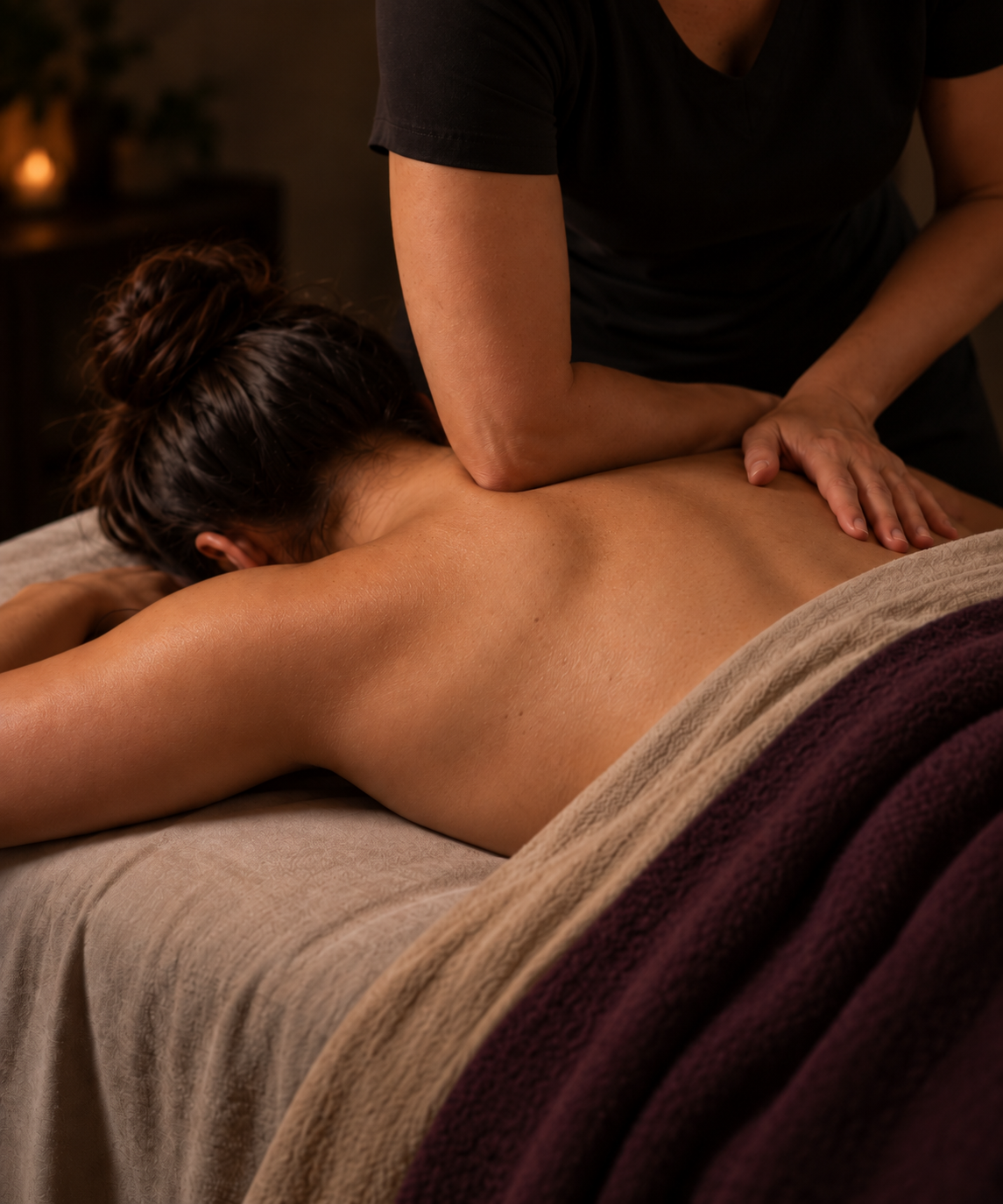
There is a common idea that a massage has to hurt to be effective.
It does not.
Pressure should feel purposeful, not like something you have to get through. If you notice yourself holding your breath, clenching your jaw, tightening your hands, or mentally counting down until the pressure stops, your body is probably telling you something.
Massage works best when the nervous system is not treating the experience like a threat. When the pressure is appropriate, the body is more likely to settle into the work instead of guarding against it.
That is why deeper is not automatically better. Sometimes the most effective work is slower, more patient, and surprisingly subtle. A sustained hold, a gradual increase in pressure, or simply spending more time in one area can be more useful than forcing intensity.
The science around massage supports benefits for certain kinds of pain and tension, but it does not show that the deepest pressure produces the best results. What matters more is how your body responds, whether the technique fits the goal, and whether the pressure allows you to stay relaxed enough to receive the work.
A good rule of thumb is this: effective pressure should feel like your body can work with it, not defend itself from it.
Source
National Center for Complementary and Integrative Health, Massage Therapy: What You Need to Know
For general education only and not a substitute for medical advice, diagnosis, or treatment.
